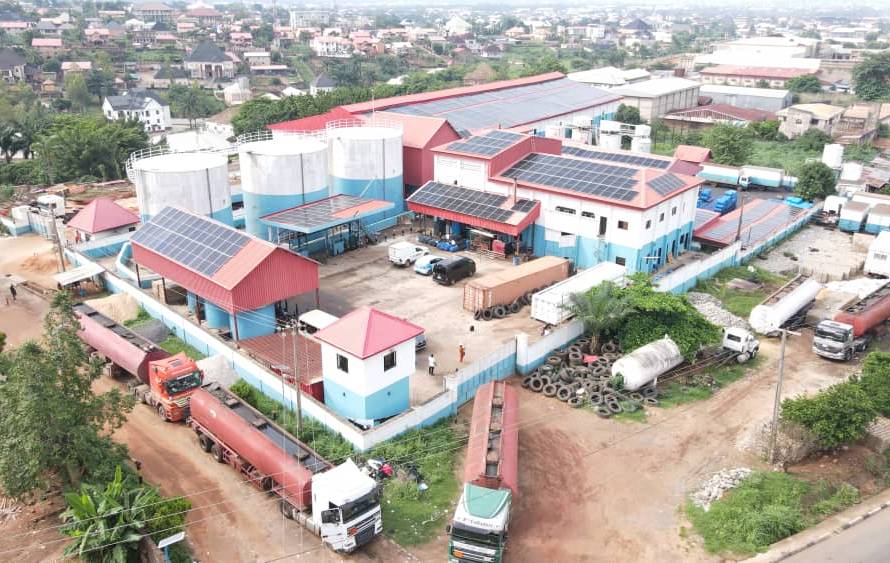
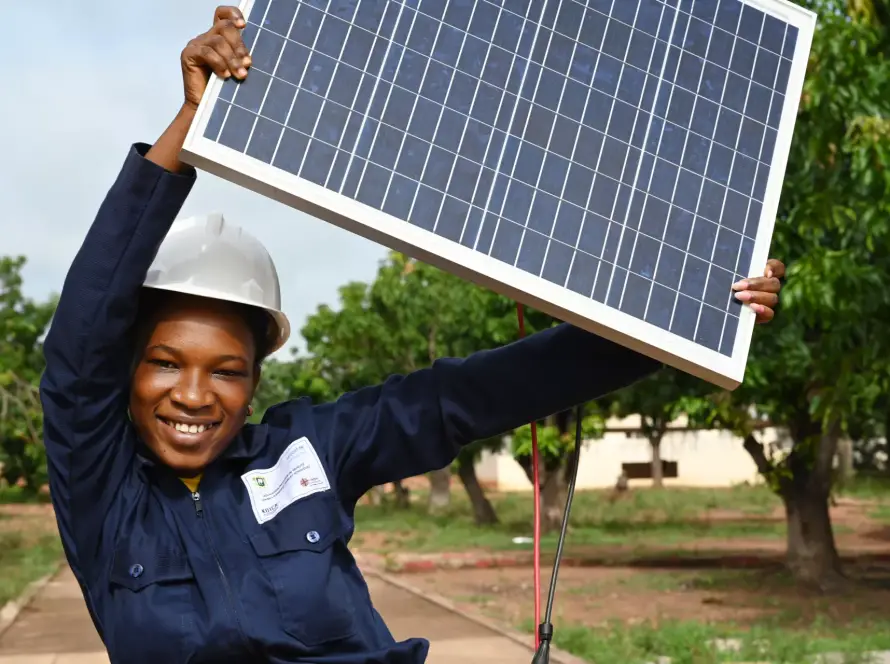
The main factors that affect the cost of a business going solar include system size, the need for battery storage, the type of panels used, and installation costs. Other influences are the quality of materials, potential government incentives, the complexity of the installation site, and ongoing maintenance
Key cost factors
-
System size:A larger system, measured in kilowatts (𝑘𝑊), will have a higher upfront cost, but it will also generate more electricity.
-
Battery storage:Solar batteries are often necessary to store power for nighttime or cloudy days. These can account for a significant portion of the total cost, sometimes 40–60%.
-
Panel type:High-efficiency panels, such as monocrystalline panels, cost more upfront than polycrystalline panels, but they generate more power from a smaller area.
-
Installation costs:These costs vary depending on labor rates, the complexity of the roof, the location of the property, and the specific needs of the installation.
-
Quality of materials:The cost is influenced by the quality of the solar panels, inverters, and other components used. Long-term performance warranties are also a critical consideration.
-
Incentives and tax credits:Government incentives, rebates, and tax credits can significantly reduce the initial cost of a solar system.
-
Maintenance and operation:Businesses must factor in the ongoing costs for maintenance and operation throughout the system’s lifespan.