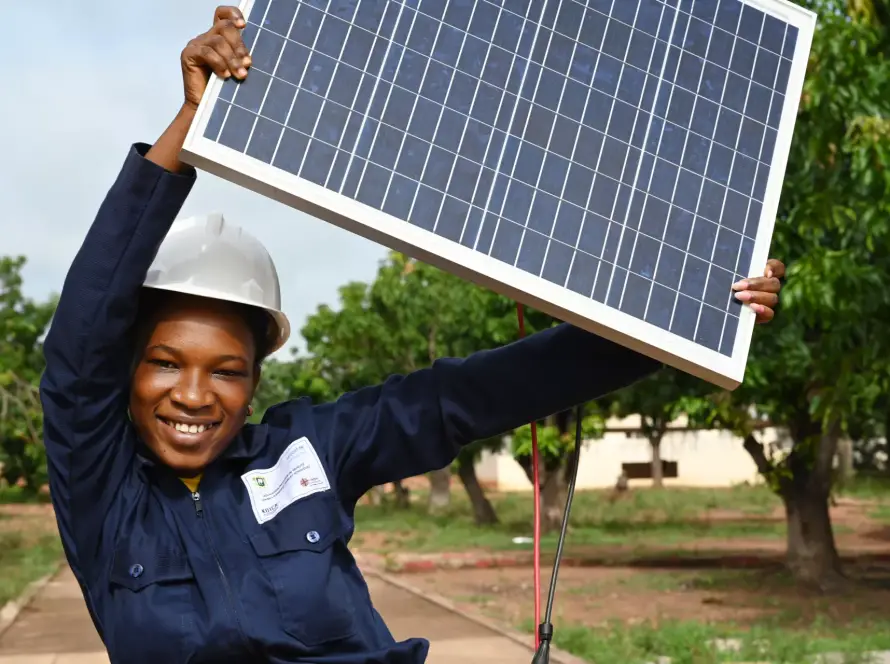
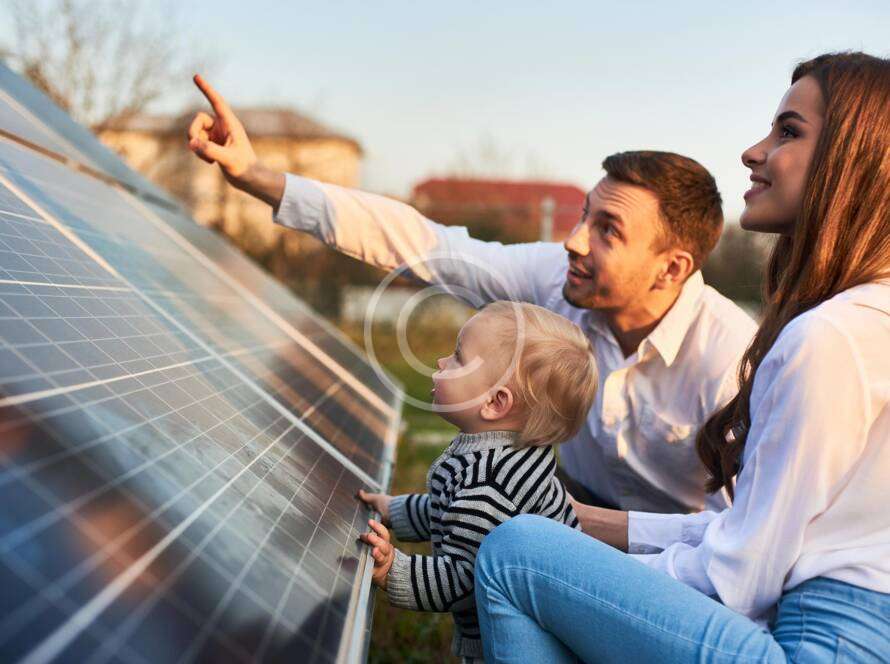
A commercial solar power system is a large-scale photovoltaic system designed to generate electricity for non-residential properties like businesses, factories, and government buildings, providing a sustainable and cost-effective alternative to grid electricity. These systems are customized to meet high energy demands, can be installed on rooftops or ground-mounted, and offer benefits such as lower operating costs, increased energy independence, and reduced environmental impact.
What commercial solar systems are
-
Purpose:To generate electricity for commercial and industrial properties, such as offices, warehouses, and retail stores.
-
Scale:Systems are significantly larger and more powerful than residential ones, ranging from 20kW to several hundred kilowatts or even megawatts, depending on the building’s energy needs.
-
Components:They consist of photovoltaic (PV) panels, inverters, and often optional battery storage, and are tailored to a business’s specific layout and energy usage.
-
Installation:They can be installed on building rooftops, on unused land, or as carports over parking lots.
Benefits for businesses
-
Reduced costs:Significantly lowers operating costs by decreasing reliance on traditional electricity.
-
Energy independence:Provides a more reliable and predictable energy supply, reducing vulnerability to grid outages, especially when combined with battery storage.
-
Sustainability:Helps businesses meet their environmental goals, reduce their carbon footprint, and align with corporate social responsibility initiatives.
-
Financial incentives:Often eligible for tax incentives, rebates, and deductions that can lower the initial investment cost.
-
Predictable cash flow:Leads to more predictable energy expenses over the long term.
What to consider
-
System size:The system’s size is determined by the business’s specific energy consumption and can range from small systems for local businesses to very large systems for industrial complexes.
-
Installation location:The location of the installation (e.g., rooftop vs. ground-mount) will be determined by the available space and structural integrity.
-
System type:Decide between an on-grid, off-grid, or hybrid system depending on the need for backup power and grid independence.
-
Financing:Consider the upfront costs, which can be substantial, and look into potential financing options, including solar Power Purchase Agreements (PPAs).