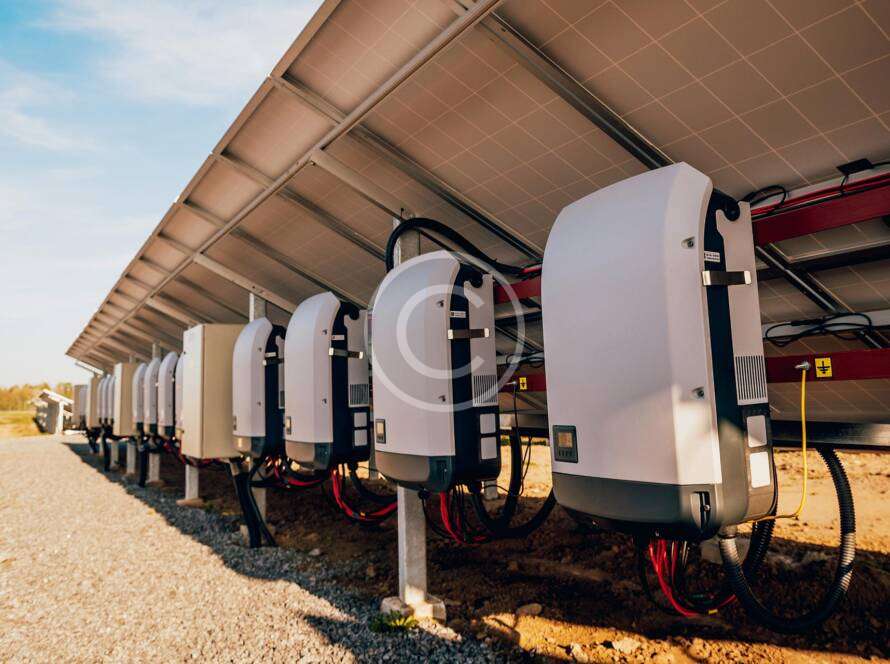
The number of solar panels you need depends on your energy consumption, the efficiency of the panels, and local sunlight conditions. To calculate this, you can divide your daily energy usage in kilowatt-hours (kWh) by the panel’s wattage and the number of peak sun hours per day. A rough estimate for an average home is 20–25 panels, but this varies greatly.
Factors that determine the number of panels
-
Energy consumption:Check your past electricity bills to find your average daily kWh usage.
-
Panel efficiency and wattage:Panels have different wattages; more efficient panels produce more power and take up less space for the same output.
-
Sunlight hours: The number of peak sunlight hours in your specific location affects how much energy your panels can generate daily.
-
Roof size and orientation: The available space on your roof and its angle can limit how many panels you can install.
Calculating the number of panels
- Determine your daily energy usage: Look at your utility bills to find your total monthly usage and divide by the number of days in that month to get your average daily kWh.
- Find your daily peak sun hours: Research the average peak sun hours for your area.
- Calculate your system size: Multiply your daily energy usage by \(1,000\) to convert it to watt-hours.
- Calculate the total panels needed: Divide the result from step 3 by your panel’s wattage multiplied by the peak sun hours. For example, a system requiring \(10,000\) watts, using \(350\)-watt panels with \(5\) peak sun hours, would need approximately \(10,000\div (350\times 5)\approx 6\) panels
- Add a buffer: It is recommended to add a small buffer to account for system inefficiencies and ensure you meet your energy needs.
Why a professional is recommended
- A professional solar installer will conduct a thorough energy audit and design a customized system for your specific needs.
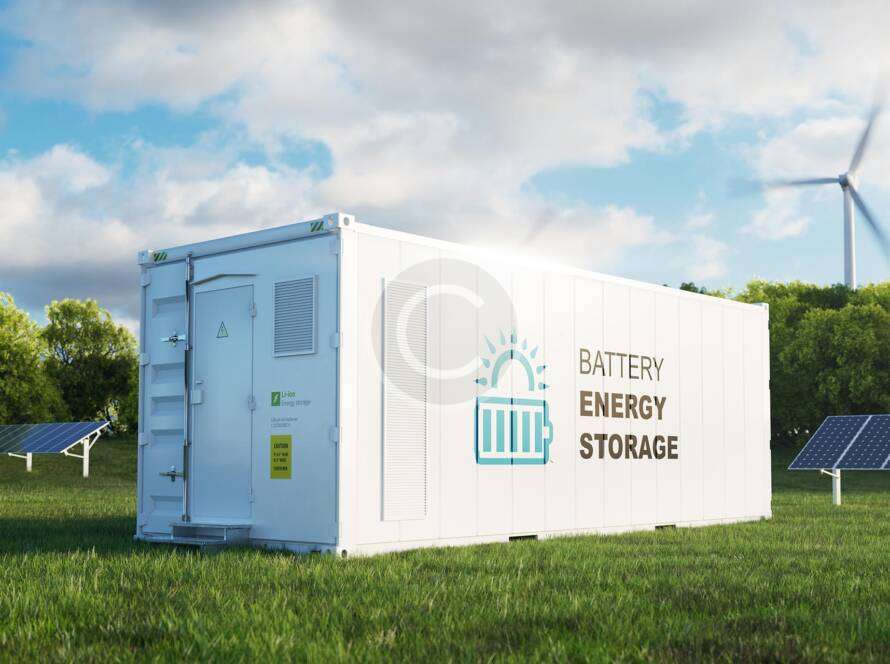
- They can handle the complex calculations and help you choose the right components, such as inverters and batteries.
- They can also factor in local regulations and incentives, as well as handle installation to ensure long-term performance