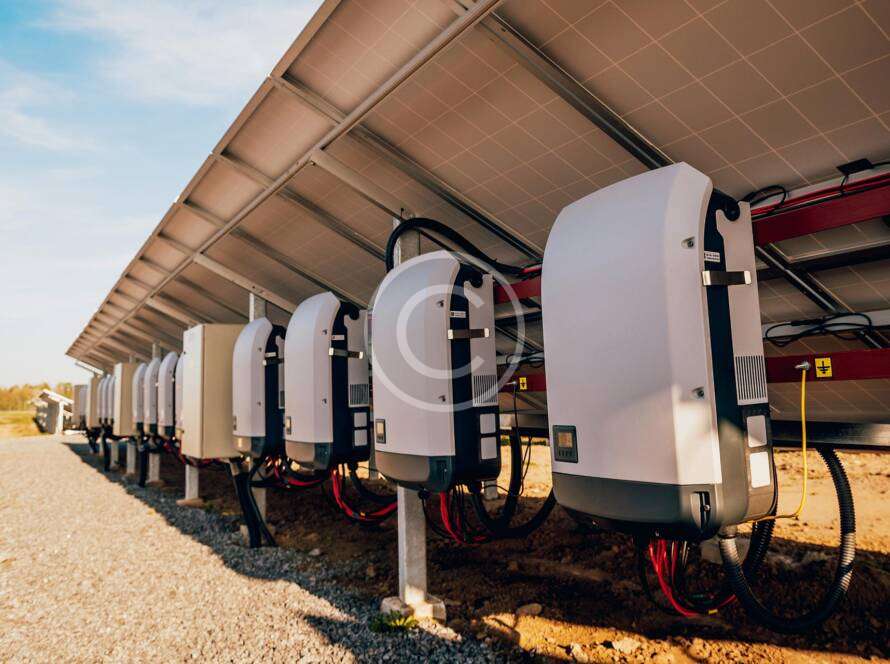
Solar energy integrates with modern smart homes to boost energy efficiency and convenience through smart energy management, which involves using a central hub to monitor and control solar production, storage, and home devices like lights and thermostats. This combination allows for greater energy independence, cost savings, and a more sustainable lifestyle by enabling users to optimize energy usage based on real-time production and consumption data.
How solar and smart homes work together
-
Centralized energy management:Smart home systems can integrate solar production and consumption data with other home functions like lighting, heating, and appliances, often through a single app or interface.
-
Automated energy optimization:A smart home can automate decisions to maximize energy efficiency. For example, it can charge an electric vehicle or run appliances during peak solar production hours or when energy prices are low, says Enercare.
-
Battery storage integration:Solar systems often include battery storage, which can be managed by the smart home to store excess energy for use during the night or power outages, increasing energy independence.
-
Remote monitoring and control:Users can monitor their solar energy production and consumption, as well as control their smart devices from anywhere via a mobile app.
-
Smart device efficiency:Smart thermostats and appliances can automatically adjust their settings to reduce energy waste based on real-time data from the solar system and grid, further improving overall efficiency.
Benefits of this integration
- Increased energy efficiency: Smart controls and automation help reduce wasted electricity.
- Cost savings: Reduced reliance on the grid leads to lower electricity bills.
- Greater energy independence: Homes become less dependent on the traditional power grid, providing more security and resilience against outages.
- Reduced environmental impact: By optimizing the use of renewable solar energy, homeowners decrease their carbon footprint.
- Enhanced convenience: Users have more control and insight into their home’s energy usage and can manage it remotely